Assessment connects the previous operation, current symptoms, nerve function and spinal alignment.In this article
When pain continues after an operation—or returns after a period of improvement—you need an explanation and a plan. I start by reconstructing the full story: why the first operation was performed, what it achieved and what is causing difficulty now.
Does persistent pain mean the operation failed?
Pain alone does not establish that surgery failed. Early wound and muscular pain belong to a different stage from pain that persists for months or appears years later. A new problem can also develop after a previously successful operation.
I ask whether the pain is the same as before, whether there was a period of relief, and whether you now have different symptoms. That timeline guides the investigation.
What causes am I looking for?
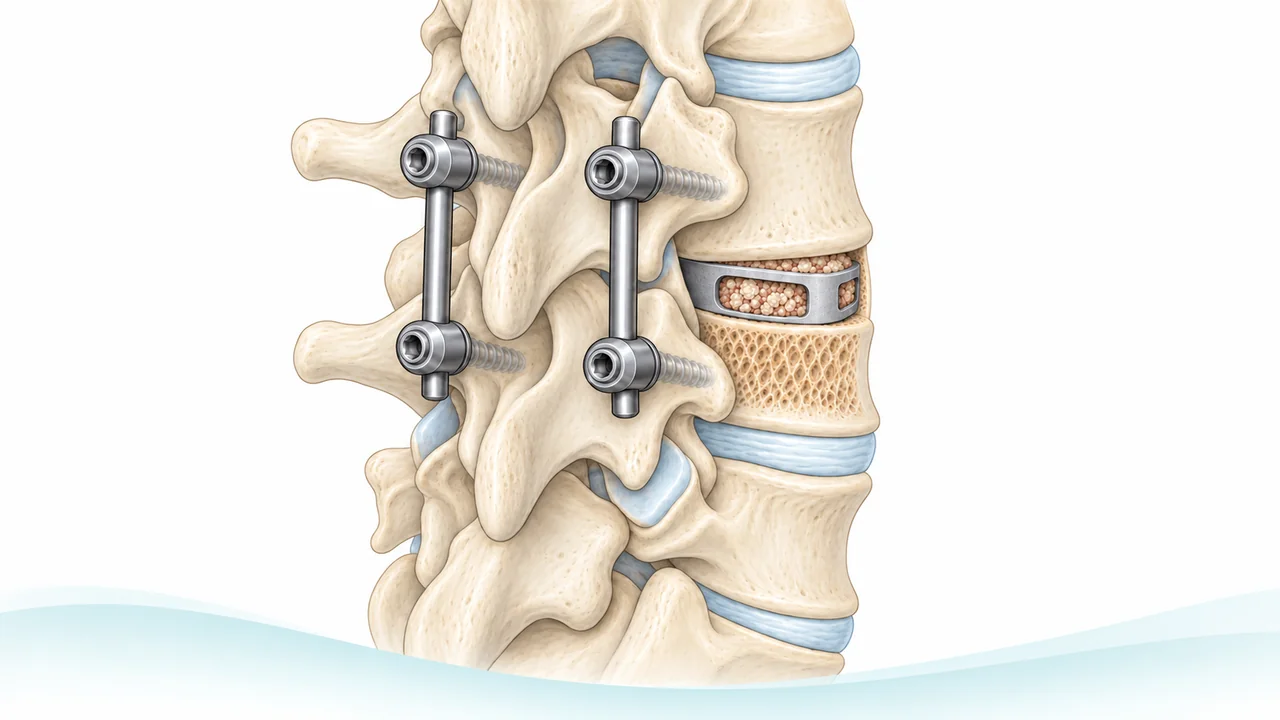
I assess nerve compression, recurrent disc herniation, the healing of a previous fusion, implant-related problems and changes in nearby spinal levels. I also examine spinal balance, the hips and surrounding muscles. Infection or a fracture needs specific attention when the history suggests it.
Persistent nerve pain can continue even after pressure has been relieved. Identifying this matters because further decompression is useful only when there is a relevant target.
Which records and tests help?
Bring your operation report, implant details if available, images from before and after surgery, and a current medication list. The images themselves are more useful than reports alone.
I examine strength, sensation, walking and posture, then select the tests that answer the clinical question. MRI assesses the nerves and soft tissues; CT helps assess bone and fusion; standing X-rays show alignment under load. I request blood tests when the findings suggest infection or another medical cause.
Can I improve without more surgery?
Yes. When the assessment supports it, I direct treatment towards rehabilitation, appropriate pain medication and selected targeted procedures. The programme addresses the cause and your functional goals, with planned review of progress.
If there is no clear surgical target, I explain that and organise an appropriate treatment pathway, including pain-specialist input when needed.
When do I recommend revision surgery?
I recommend another operation when there is a defined, surgically treatable problem that matches your symptoms and a worthwhile expected benefit. The plan may involve freeing a nerve, treating an unhealed fusion, addressing implants or correcting alignment.
Previous surgery changes the anatomy and can increase technical difficulty. Scar tissue, nerve protection, bone quality and existing implants all enter the plan. I explain the intended improvement and the specific risks, including dural tear, infection, nerve injury and further surgery.
How do we define success?
Before treatment, we agree what matters: less leg pain, better standing balance, a longer walking distance or a return to daily tasks. I build the plan around these goals and use them to assess your progress.
How should I interpret a success percentage?
The estimate must relate to the specific problem we plan to correct and the improvement we are targeting. I explain how the previous operation, current nerve function and the proposed correction affect that estimate. A clear diagnosis, a suitable operation and meticulous execution form the basis of the plan.
My role is to find the cause, explain the options and perform corrective surgery when it offers a sound route to improvement.