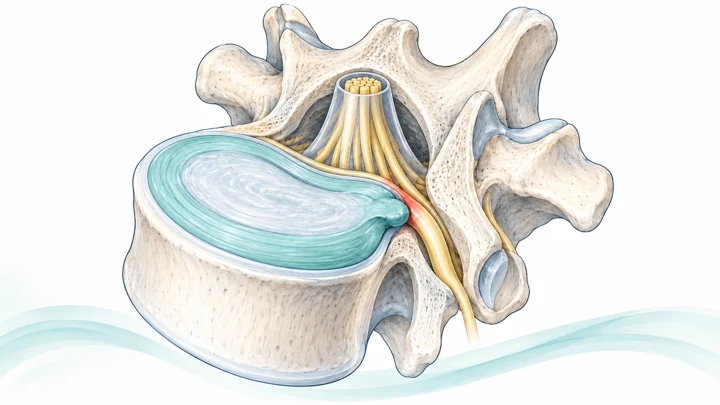
Disc herniation
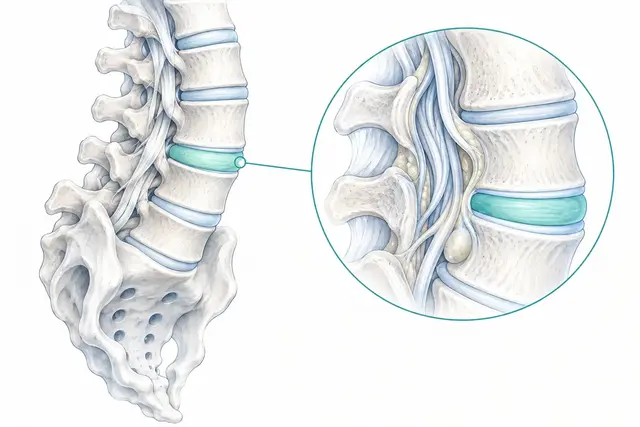
Lumbar disc herniation: when is surgery the right step?
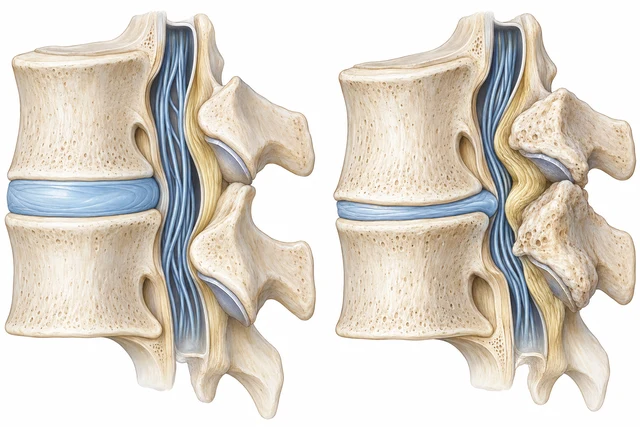
A clear assessment of leg pain, nerve function and the treatment that will help you move forward.
Read articlePatient education
Start with the question on your mind: what does the scan mean, which treatments may help, or what happens after surgery? These articles explain the choices and help you prepare for a discussion about your own care.
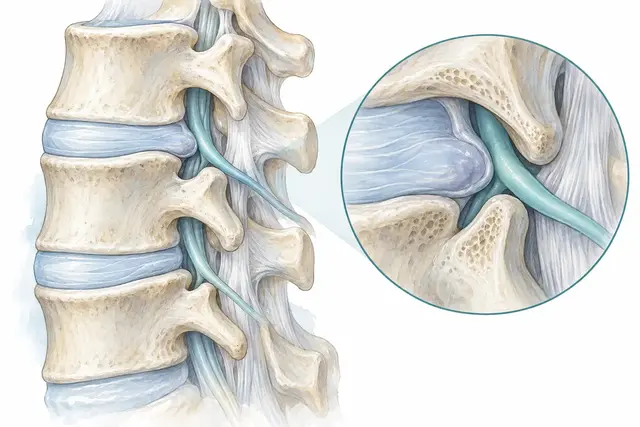
A clear assessment of leg pain, nerve function and the treatment that will help you move forward.
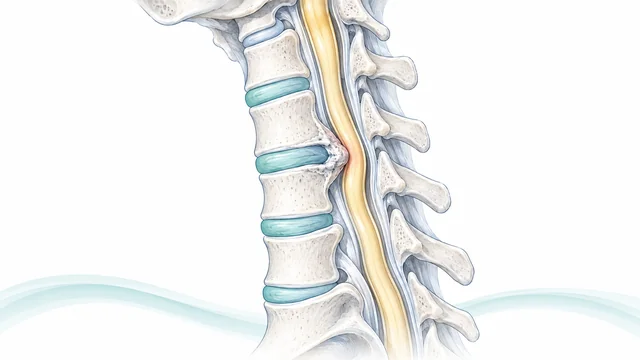
Read articleClumsy hands, difficulty with buttons or an unsteady walk deserve a careful examination of the spinal cord.
Read articleWhy walking can bring on leg symptoms, what the scan means, and when decompression—with or without fusion—may help.
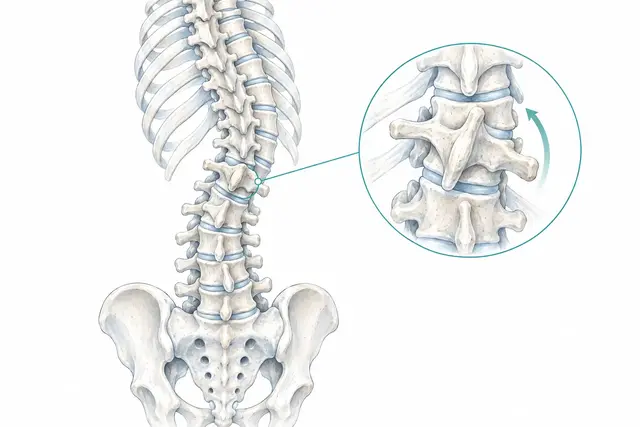
Read articleFor adolescent idiopathic scoliosis, growth and change over time matter alongside the curve measurement.
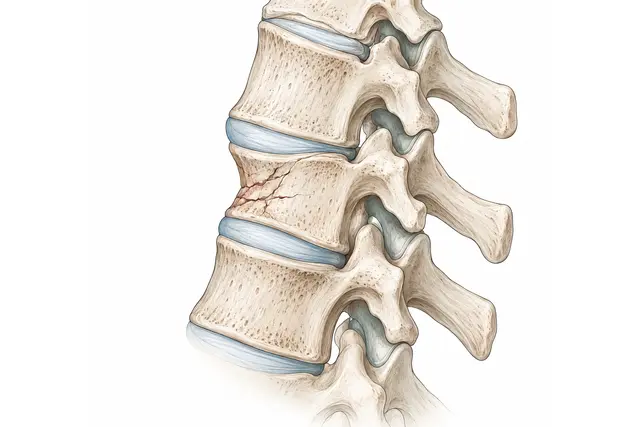
Read articleHow fracture stability, nerve function and spinal alignment guide the choice between rehabilitation and surgical fixation.
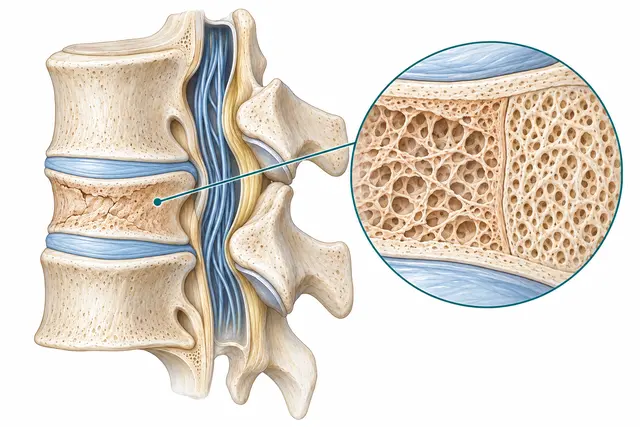
Read articleRelieving fracture pain, restoring movement and treating osteoporosis to reduce the risk of another fracture.
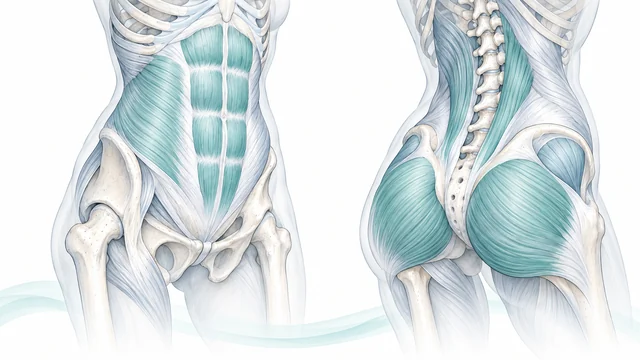
Read articleBalanced abdominal, back and gluteal training, with a clear plan to improve movement and relieve pain.
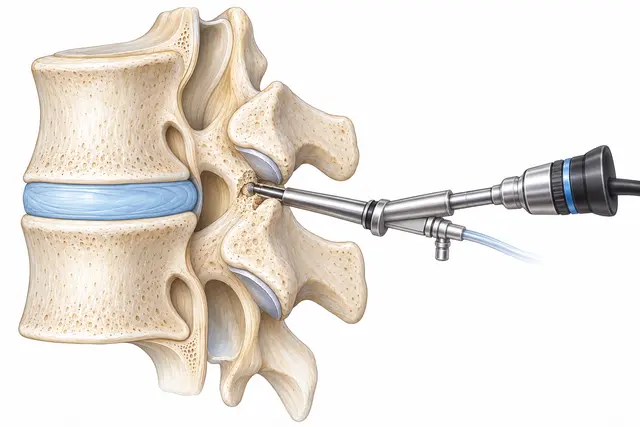
Read articleHow an endoscope reaches the affected nerve, when this approach is useful and how I choose the right operation.
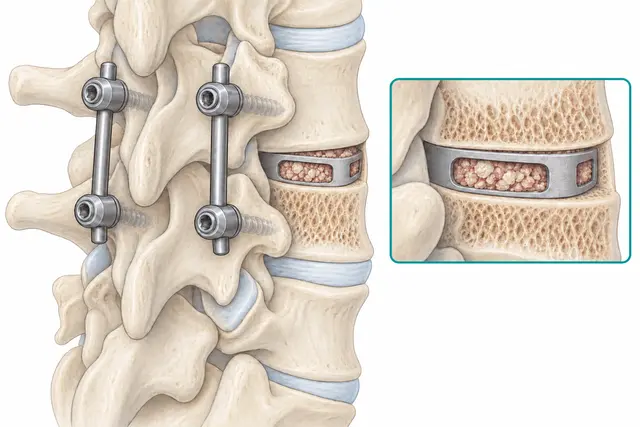
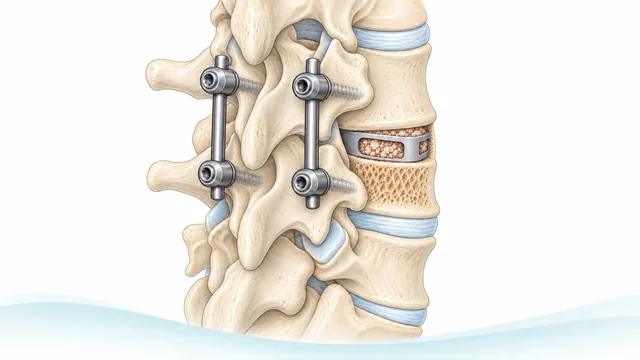
Read articleWhat fusion is intended to achieve, which levels need it, and what you should understand before agreeing to surgery.
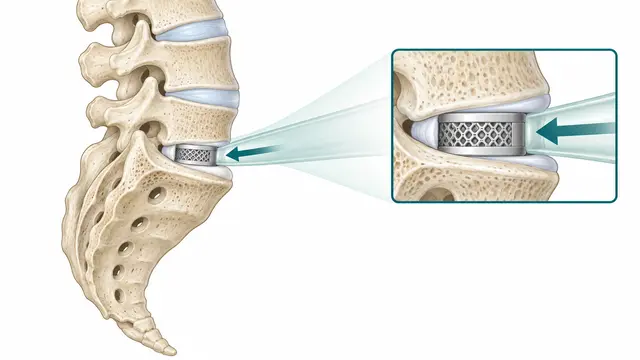
Read articleAn anterior lumbar fusion offers a different route to the disc. Its value depends on what the operation needs to achieve.
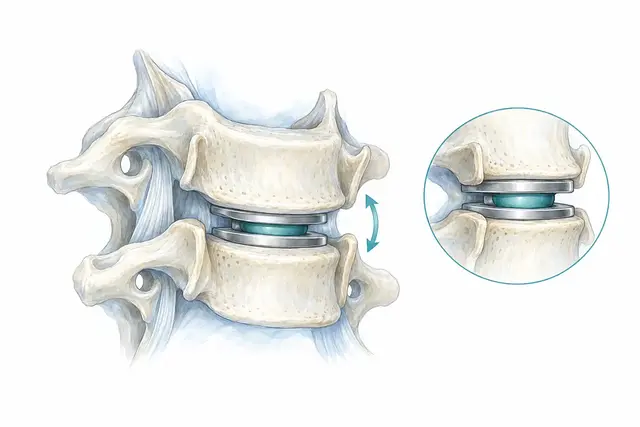
Read articleThe choice depends on whether useful, stable movement can be preserved after relieving pressure on the nerves or spinal cord.
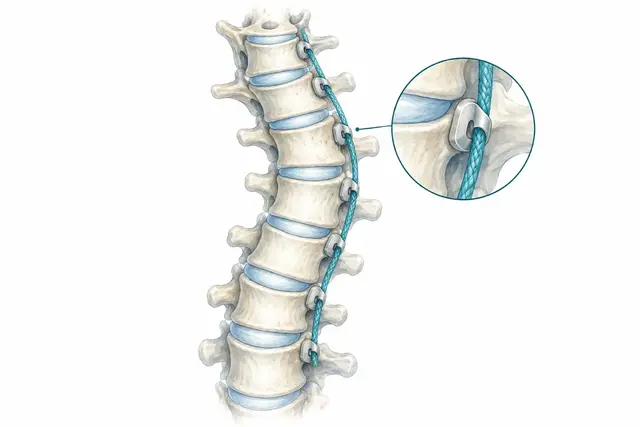
Read articleHow growth-guided tethering can preserve movement, which curves are suitable and what follow-up involves.
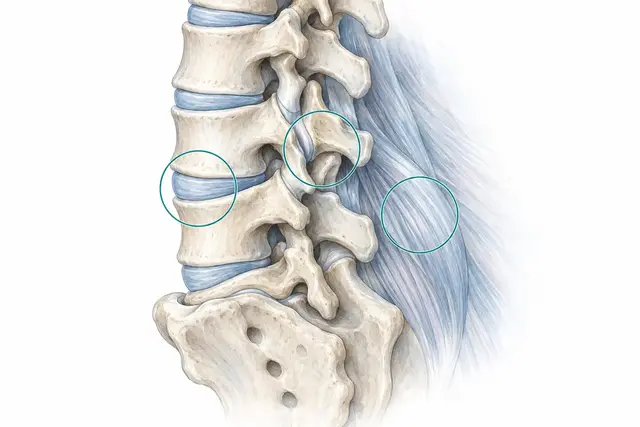
Read articleAssessment, active rehabilitation and targeted procedures chosen around the cause of your pain.
Read articleAn MRI can reveal an important problem. It can also show changes that have little to do with your pain. The distinction matters.
Read articleA decision should connect a treatable problem with a meaningful goal, while accounting for risk, alternatives and the safety of waiting.
Read articleWalking, lifting, rehabilitation and returning to daily life after lumbar fusion.
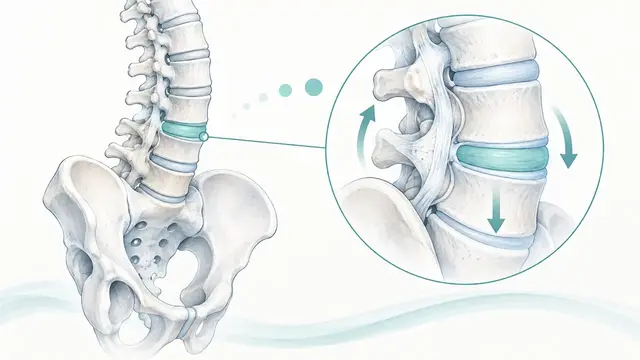
Read articleA fresh assessment of persistent or returning pain, with a clear purpose for every treatment decision.
Read article